
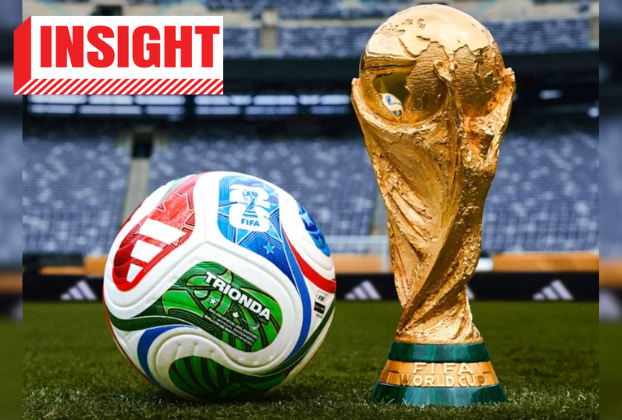
The 2026 FIFA World Cup made history both on and off the pitch. Hosted jointly by Canada, Mexico, and the United States, it was the first tournament to feature 48 teams and 104 matches, making it the largest FIFA World Cup ever held. Spain lifted the trophy after defeating Argentina 1-0 in extra time, concluding a tournament that broke multiple sporting records.
However, the competition was also accompanied by an unprecedented wave of misinformation. AI-generated images, deepfake videos, manipulated screenshots, and fabricated quotes spread rapidly across social media before, during, and after the tournament. Many of these claims blended genuine events with digitally altered content, making them appear convincing enough to deceive millions of football fans worldwide.
Below are eight of the most widely circulated World Cup claims and what the evidence actually shows.
Eight Viral World Cup Claims Fact-Checked
1. Claim: Lamine Yamal celebrated Spain’s victory while holding the World Cup trophy wrapped in a Palestinian flag.
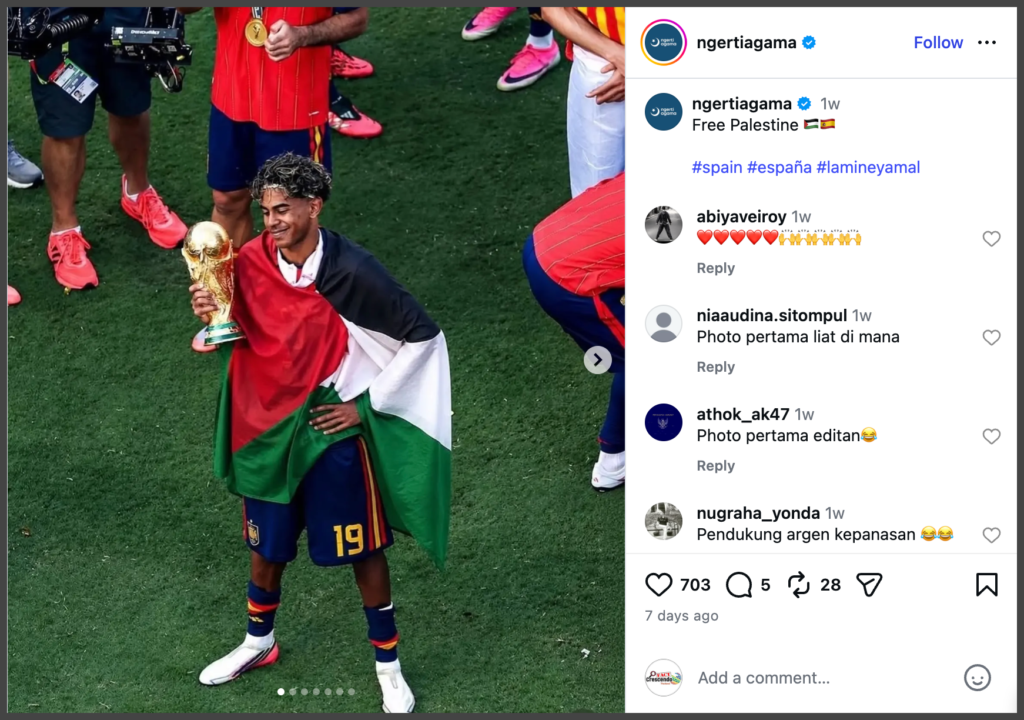
Verdict: AI-generated
The viral image is fabricated. Authentic photographs from the World Cup final show Yamal celebrating with his teammates while wrapped in Spain’s official “Campeones” (“Champions”) banner. No verified photographs from FIFA, Getty Images, AFP, Reuters or other accredited agencies show him carrying a Palestinian flag during the trophy presentation.
The image appeared believable because Yamal had previously been photographed waving a Palestinian flag during Barcelona’s La Liga title celebrations in May 2026. That genuine incident likely helped make the AI-generated World Cup image appear authentic. Read our fact-check regarding Yamal’s Palestinian flag display here.
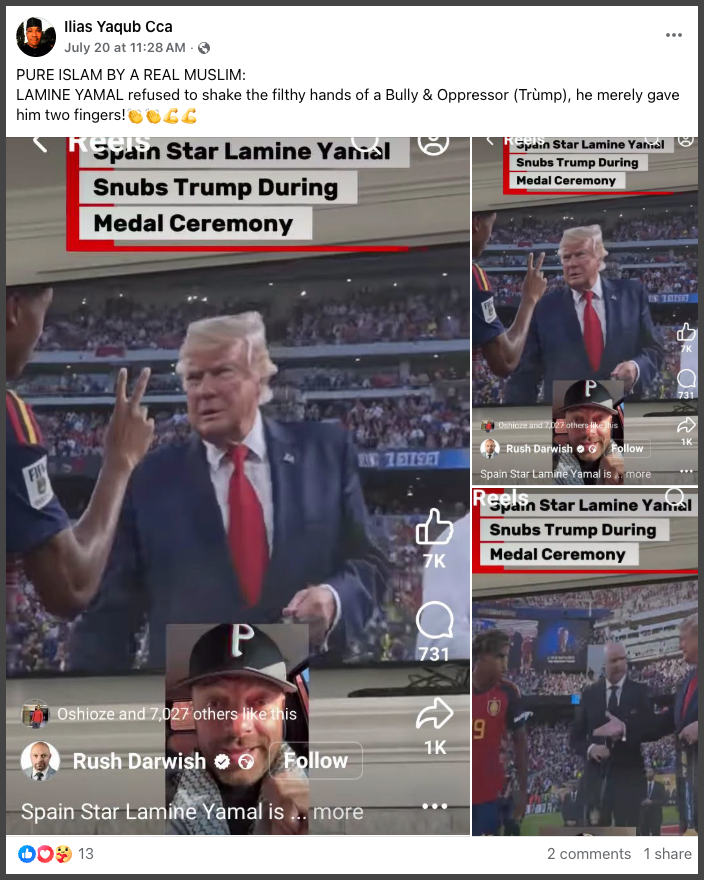
2. Claim: Lamine Yamal refused to shake hands with U.S. President Donald Trump during the medal ceremony.
Verdict: False
Several videos circulated online claiming Yamal deliberately ignored or refused to shake hands with Trump in protest.
However, footage filmed from another angle, along with photographs captured by AFP photographers, clearly shows Yamal shaking Trump’s hand before receiving his medal. Subsequent videos promoting the same narrative were also identified as AI-generated or digitally manipulated.
3. Claim: Erling Haaland was frightened by his own reflection in a mirror.
Verdict: AI-generated
The viral clip was not recorded during the World Cup. It originated from a comedy video uploaded on China’s Douyin platform in June 2026. The original performer was digitally replaced with Haaland using AI face-swapping technology, transforming a comedy skit into a convincing deepfake that accumulated millions of views. Read our full fact-check on this viral claim here.
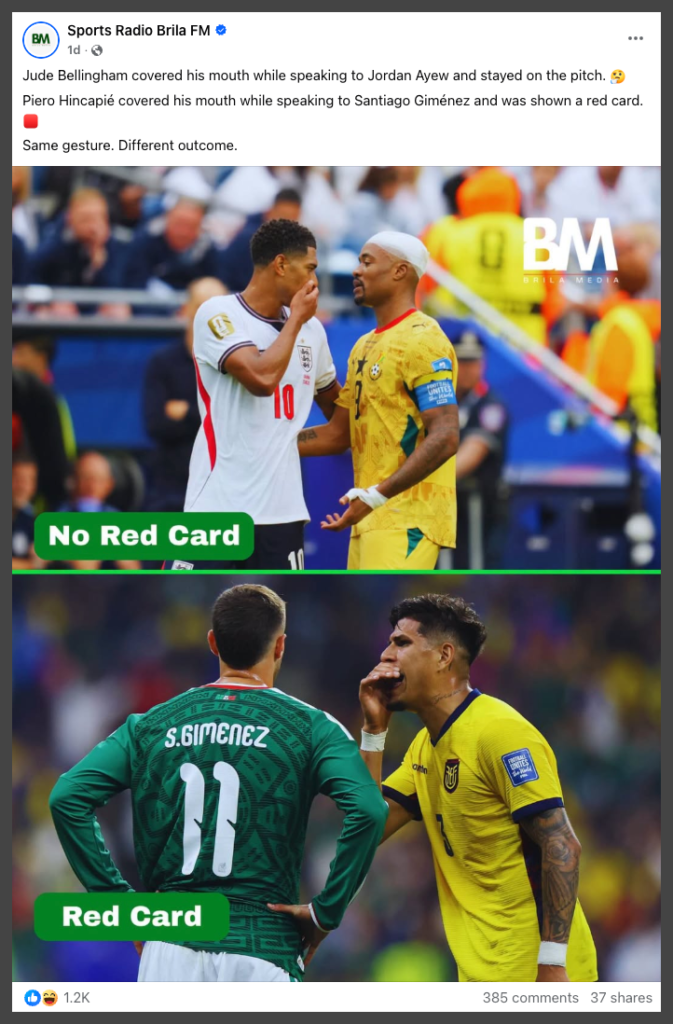
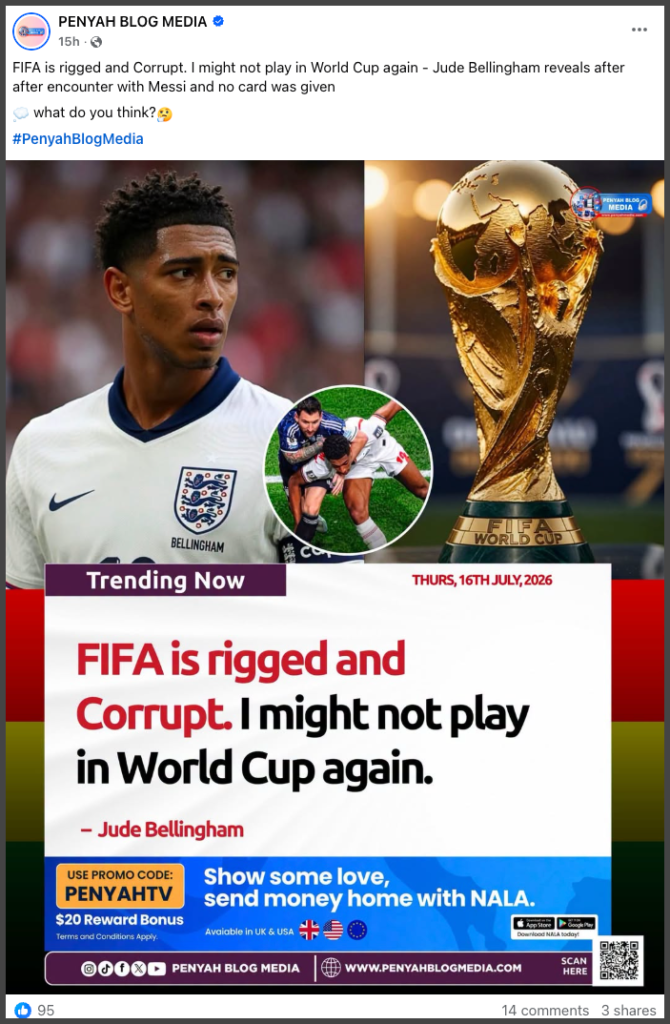
4. Claim: Jude Bellingham should have received a red card under FIFA’s new “cover your mouth” rule and later accused FIFA of being “rigged.”
Verdict: Misleading
Two unrelated claims were merged into a single misleading narrative. The new FIFA regulation targets players who deliberately cover their mouths while directing abusive or offensive language during confrontations. Video footage shows Bellingham simply speaking calmly with Ghana captain Jordan Ayew, meaning the rule did not apply. Read our full article here.
Separately, the widely shared quotation claiming Bellingham described FIFA as “rigged and corrupt” after England’s elimination has no verifiable source. No interview, press conference, or official statement contains the alleged remark. See our fact-check here.
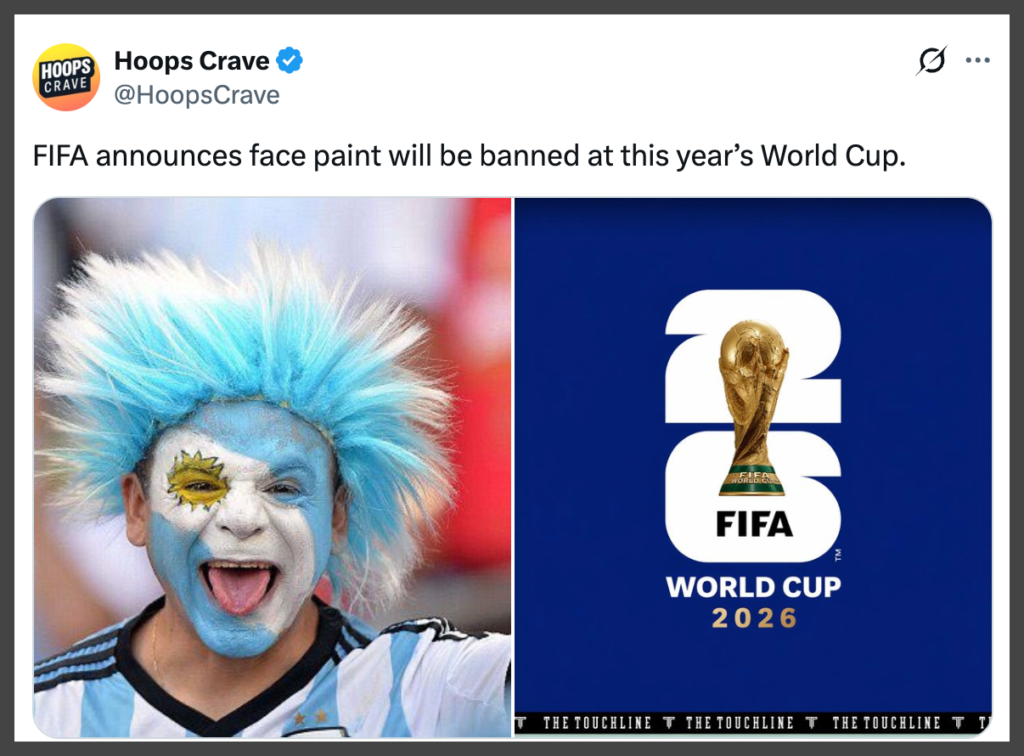
5. Claim: FIFA banned fans from wearing face paint inside World Cup stadiums.
Verdict: False
No such ban existed. FIFA’s stadium regulations allowed supporters to enter venues with face paint already applied. The restrictions concerned only certain paint containers or aerosol products that could present security risks inside stadiums, not face paint itself. Read our fact-check here.
6. Claim: The Simpsons predicted Portugal would win the 2026 FIFA World Cup.
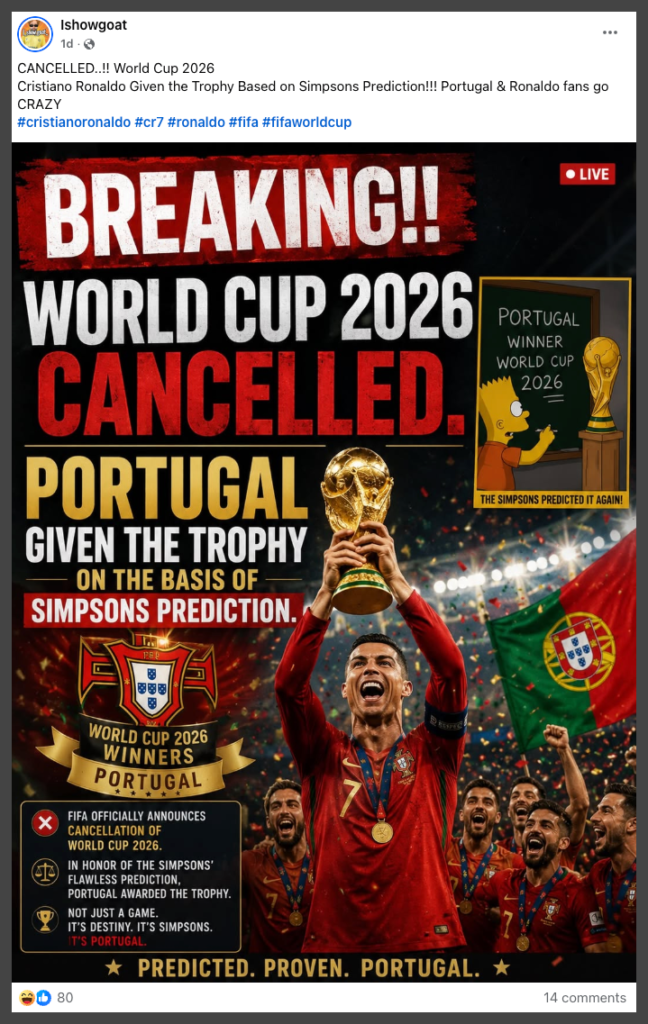
Verdict: False
The viral screenshots do not predict the 2026 tournament. The images originated from a 1997 episode featuring a fictional football match between Mexico and Portugal. The episode makes no reference to the 2026 World Cup, Cristiano Ronaldo, or Portugal becoming world champions. The viral narrative was assembled years later by combining unrelated screenshots with fabricated captions. See our fact-check here.
7. Claim: FIFA President Gianni Infantino attended two World Cup matches in different cities at almost exactly the same time.
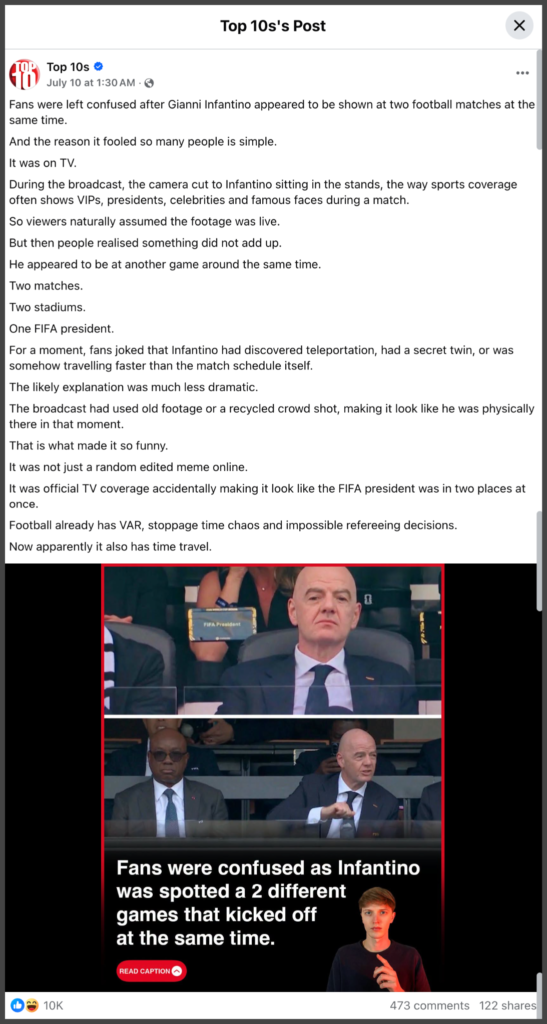
Verdict: False
The claim relied on a digitally altered television screenshot. A reverse-image search shows one of the screenshots actually came from a different match played ten days earlier. The on-screen scoreboard had been edited to create the false impression that Infantino appeared simultaneously at two venues hundreds of miles apart. Official broadcast footage confirms he attended only one of the matches referenced in the viral posts. (Source)
8. Claim: A famous photo of Lionel Messi bathing baby Lamine Yamal was created using AI.
Verdict: Authentic
Source: UNICEF
One of the tournament’s most disputed images was confirmed to be genuine. The photograph was taken in 2007 during a UNICEF charity calendar project, when Messi was 20 years old and Yamal was just five months old. The image resurfaced ahead of the World Cup final, leading many users to mistakenly dismiss it as another AI fabrication.
Its popularity highlights an increasingly common challenge in the age of generative AI: authentic images are sometimes viewed with as much suspicion as fake ones. (Source)
The Bigger Picture
The 2026 FIFA World Cup demonstrated how major sporting events have become prime targets for misinformation. Rather than fabricating entirely new stories, many viral posts repackaged genuine photographs, authentic videos, or real events with altered captions, manipulated visuals, or AI-generated additions. This combination of truth and fabrication made the claims especially persuasive.
As generative AI tools become increasingly accessible, similar misinformation campaigns are likely to accompany future global sporting events. Verifying content through official tournament broadcasters, accredited news agencies, and professional fact-checking organizations remains one of the most effective ways to avoid amplifying false information.

Title: From Deepfakes to Doctored Images: Eight Viral Hoaxes That Fooled Football Fans During the 2026 FIFA World Cup
Fact Check By: Pranpreeya
Result: Insight